The Ibsen Festival Returns in a New Format
After several years on hiatus, the National Theatre relaunches the Ibsen Festival. In 2026, the festival takes on a new format, extending throughout the autumn, with international guest performances presented in dialogue with the theatre’s own Ibsen productions.
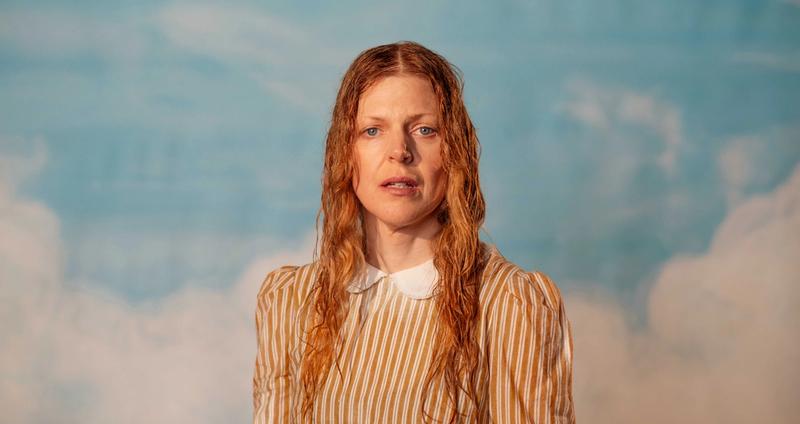
“The Ibsen Festival is the National Theatre’s international meeting place for new artistic perspectives on Ibsen. In 2026, we are further developing the festival and inviting guest performances that bring something new to the conversation around Ibsen’s drama today,” says Artistic Director Kristian Seltun.
A Berlin Hit is coming to Oslo
The 2026 Ibsen Festival consists of a limited number of international guest performances presented at different times throughout the autumn. Among them is the Berliner Ensemble’s audience success Hedda, directed by Heiki Riipinen.
The National Theatre’s own Ibsen productions will at the same time form an integral part of the festival programme. These include The Lady from the Sea, directed by Danish director Anna Balslev, which premieres on the Main Stage on 10 September, and Vildanden directed by Jan Bosse on Amfiscenen from 4 September.
“By allowing the festival to unfold over time, we offer audiences multiple entry points into Ibsen and into international perspectives on his work. At the same time, we are connecting the festival more closely to our repertoire,” says Seltun.
The International Ibsen Award
The Ibsen Festival has traditionally been closely linked to the International Ibsen Award, often referred to as the “Nobel Prize” of theatre. The award ceremony will take place on the National Theatre’s Main Stage on Saturday 26 September.
This year's winner is Jaha Koo, a South Korean theatre maker, composer, and video artist whose practice spans multimedia performance and technology.
His play Cuckoo will be performed on the Main Stage 27 September.
Looking Ahead to the Ibsen Year 2028
Incoming Artistic Director Marit Moum Aune emphasises that the Ibsen Festival must also be seen in a longer perspective.
“The 2026 Ibsen Festival stands on its own but is also part of a long-term effort leading up to the Ibsen Year in 2028. For us, this is about creating space for deeper exploration, highlighting new artistic voices, and ensuring that Ibsen’s drama is read and performed in the context of our own time – internationally as well,” says Moum Aune.